Science Pitches: Four Ideas, Four Directions
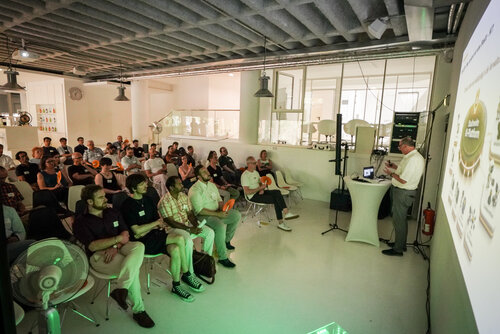
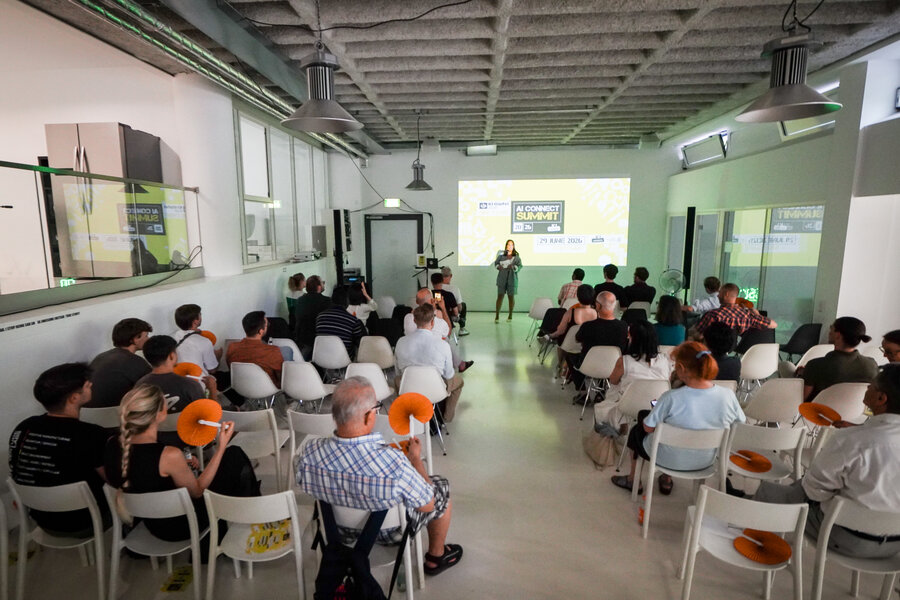
The heart of the afternoon belonged to four science pitches, each translating research into a concrete product or platform:
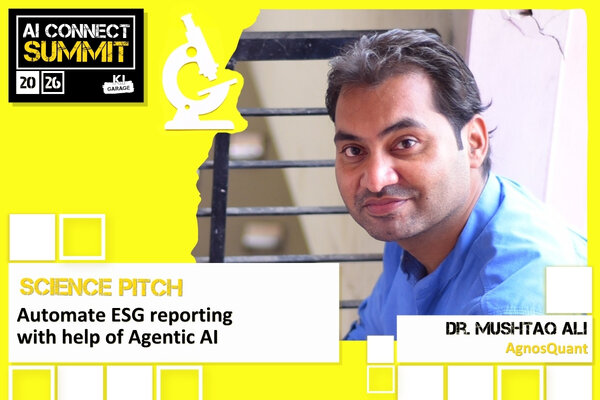
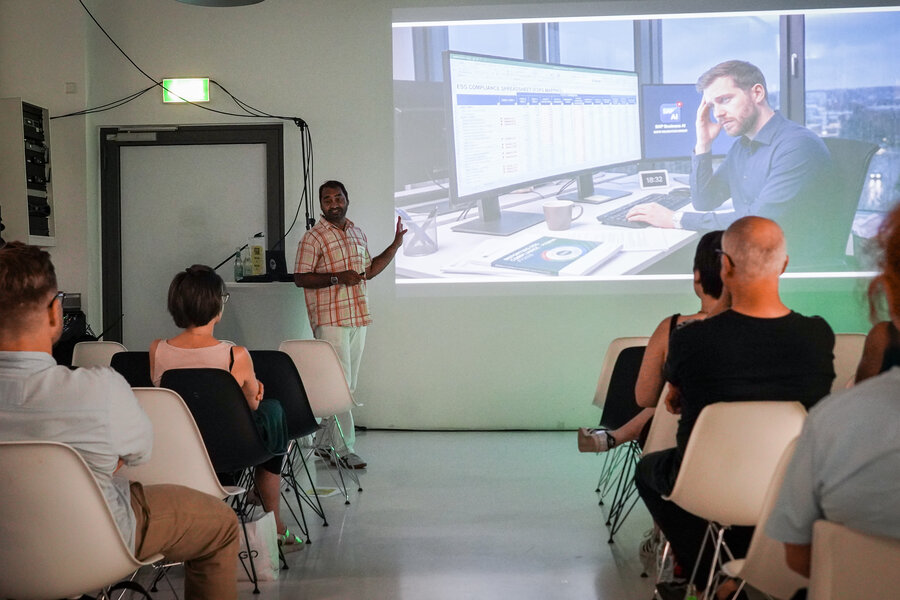
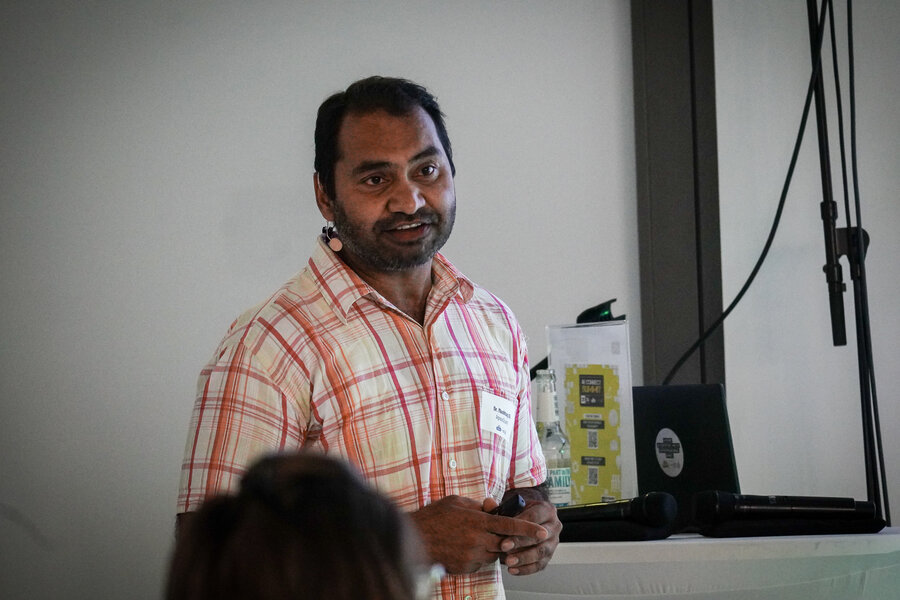
Dr. Mushtaq Ali — AgnosQuant: Automate ESG reporting with the help of Agentic AI. AgnosQuant is an agentic AI layer built on top of SAP enterprise systems that automates and simplifies ESG reporting. It integrates with SAP data across finance, procurement, supply chain, HR, and operations to collect, harmonize, and validate sustainability metrics without manual consolidation. Intelligent agents continuously monitor enterprise data, detect reporting gaps, map information to ESG frameworks, and generate audit-ready disclosures aligned with evolving regulations — shifting organizations from periodic compliance reporting toward continuous ESG intelligence.
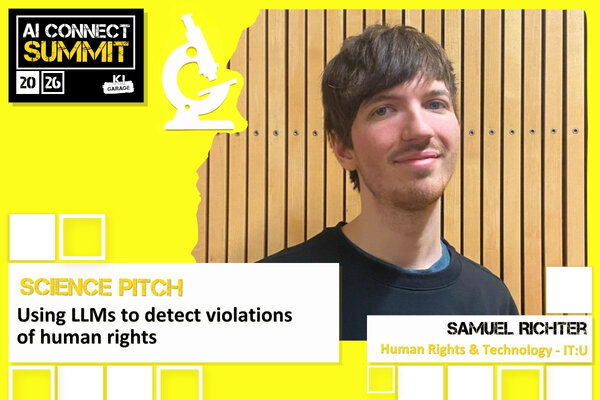
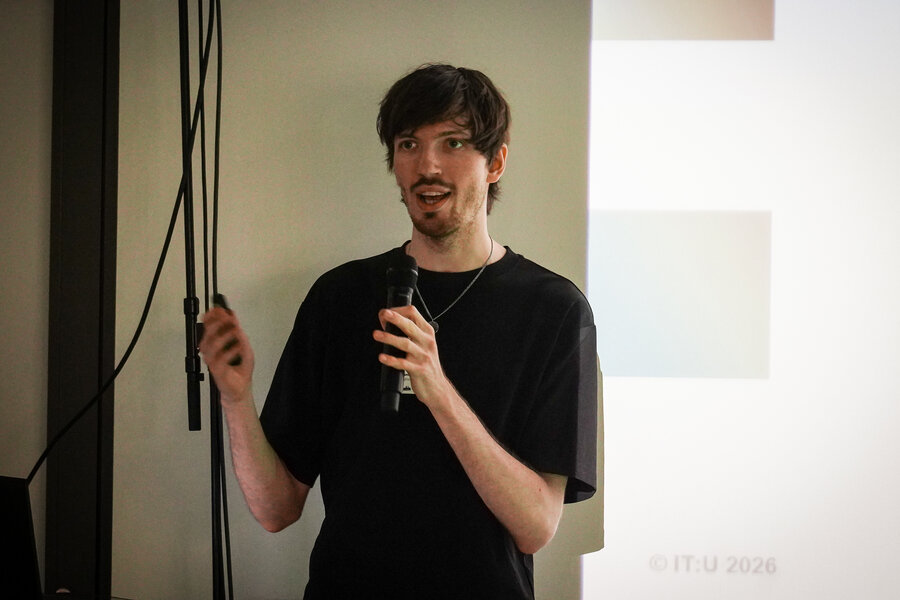
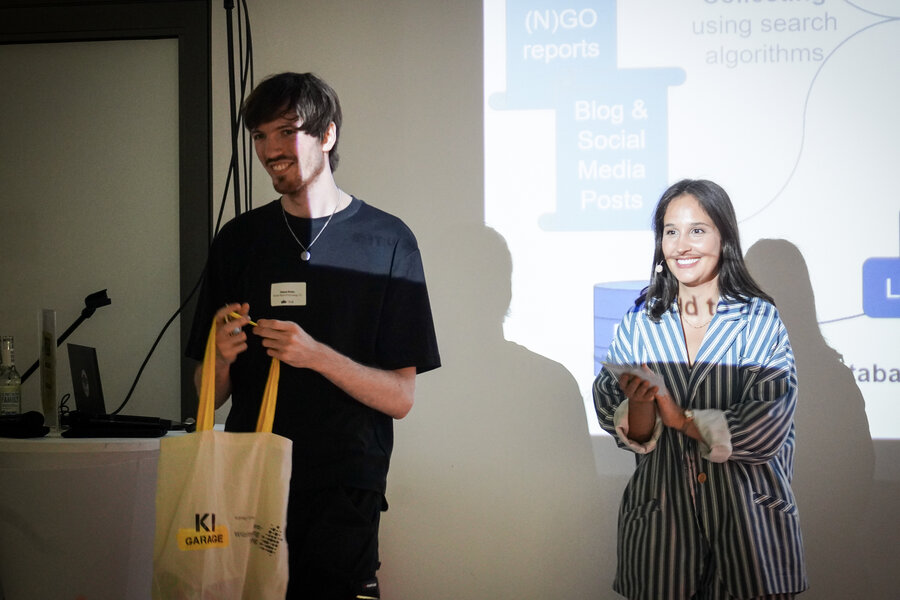
Samuel Richter — Using LLMs to Detect Violations of Human Rights. Samuel, a PraeDoc at the Interdisciplinary Transformation University Austria and member of the Research Group on Human Rights and Technology, presented a system for building structured datasets of human rights cases from public sources — news articles, NGO reports, and social media — using a pipeline of LLMs, NLP, and embedding models to identify, extract, and compare cases at scale. A sobering and important reminder of what AI can do in service of accountability and justice.
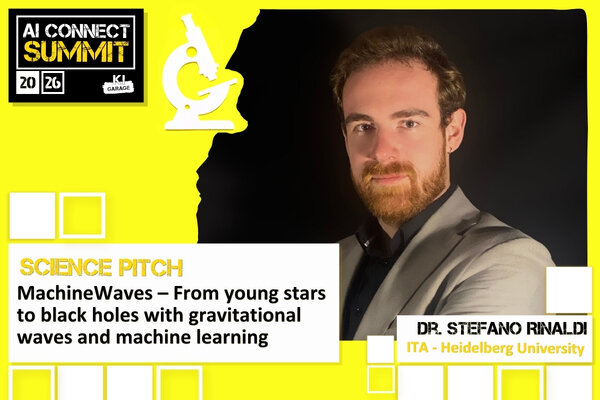
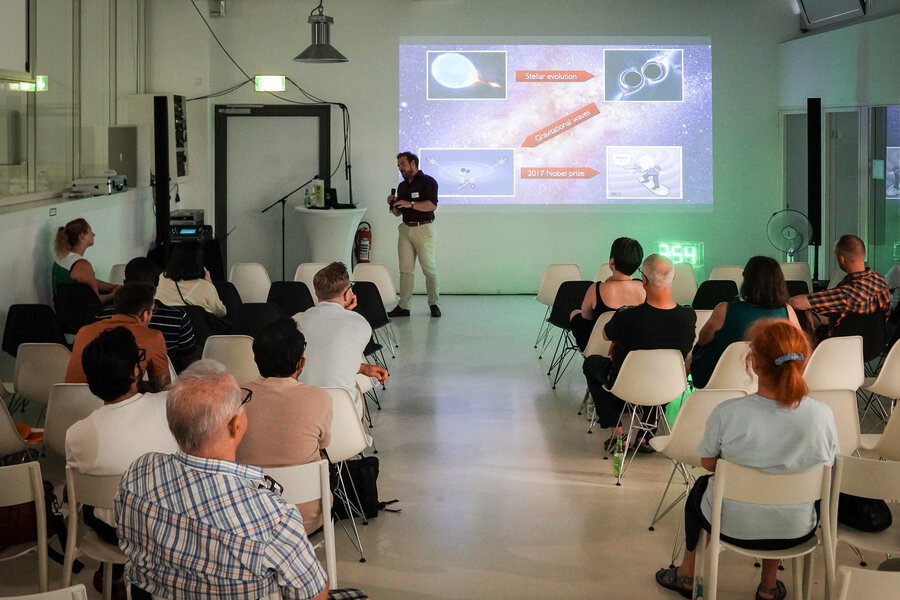
Dr. Stefano Rinaldi — MachineWaves: From Young Stars to Black Holes with Gravitational Waves and Machine Learning. Stefano (Heidelberg University) took the audience from astrophysics to machine learning and back, showing how unsupervised learning models can be compared against traditional simulation-based inference to interpret gravitational wave events — connecting the dots between young massive stars, astrophysical processes, and the black holes we can now "hear" through detectors like LIGO-Virgo-KAGRA, with the Einstein Telescope on the horizon.
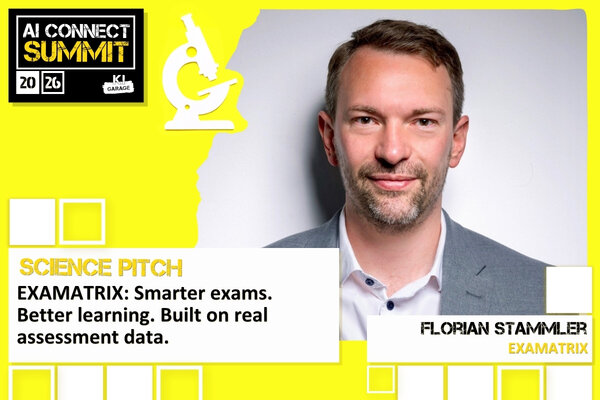
Florian Stammler — EXAMATRIX: Smarter Exams. Better Learning. Built on Real Assessment Data. EXAMATRIX is an AI platform for exam creation and preparation, built on a model that learns from real exams rather than generic templates. For educators, it turns teaching material into exam questions built to psychometric quality standards, returning a clear quality verdict that predicts how each question will actually perform — so weak questions get revised before the exam, not after. Real results then flow back into the model, sharpening its predictions with every exam it supports. Starting in higher education, EXAMATRIX is built to extend across schools and vocational training as a shared quality layer for exams everywhere.